


0 Do I Need Pet Insurance For My Valness Yorkie Puppy?
- Valness Yorkies Blog
- by Kathy Pittman
- 09/25/2026
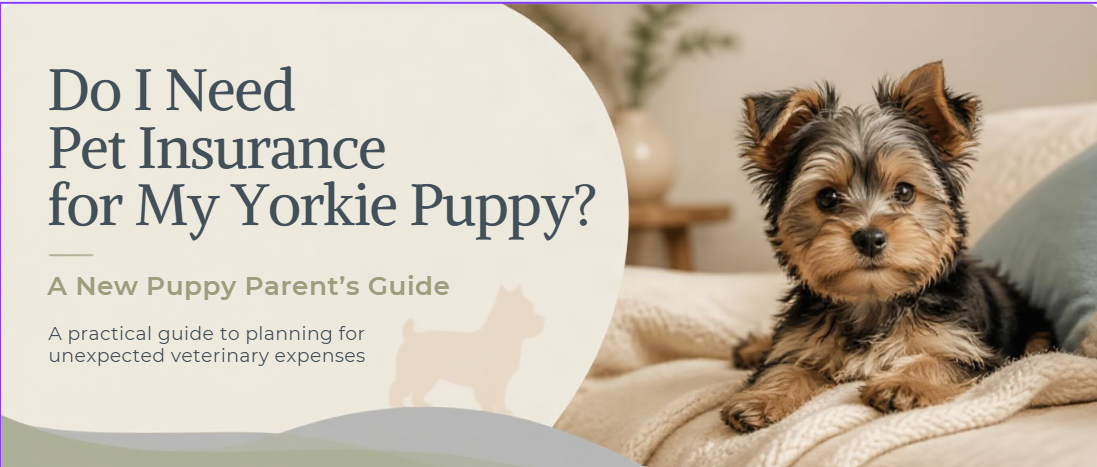
Do I Need Pet Insurance for My Yorkie Puppy?
A practical guide to coverage, costs, exclusions, and emergency planning
Bringing home a Yorkie puppy usually means shopping for food, a bed, a crate, grooming supplies, toys, and plenty of tiny puppy essentials. One question that is easy to overlook is this: What would I do if my puppy suddenly needed expensive veterinary care?
Pet insurance is not the right choice for every family, but understanding how it works before an emergency can make it easier to decide whether it belongs in your puppy-care plan. At Valness Yorkies, we encourage new puppy parents to prepare for unexpected veterinary expenses in advance - whether that means pet insurance, a dedicated emergency savings fund, or a combination of both.
What Does Pet Insurance Usually Cover?
Coverage varies by company and policy, so always read the actual policy documents. In general, accident-and-illness plans may help reimburse eligible veterinary costs related to unexpected injuries and illnesses.
Diagnostic testing, laboratory work, X-rays, or other imaging
Emergency veterinary treatment
Hospitalization
Surgery
Prescription medications for covered conditions
Treatment for eligible illnesses or injuries
Some companies also offer optional wellness or preventive-care add-ons for services such as routine exams, vaccinations, or parasite testing. These benefits are separate from core accident-and-illness coverage and may not be cost-effective for every household.
Accident-Only vs. Accident-and-Illness Plans
|
Accident-Only |
Accident + Illness |
|
May cover eligible injuries such as broken bones, cuts, swallowed objects, or certain accidental poisonings. |
May cover eligible accidents plus illnesses such as infections, digestive problems, and other covered conditions. |
|
Usually lower-cost coverage. |
Usually broader coverage and typically higher premiums. |
|
Does not generally cover illnesses. |
Coverage still depends on exclusions, waiting periods, and policy terms. |
What Usually Is Not Covered?
Common exclusions can include:
Pre-existing conditions
Routine or wellness care unless specifically included or purchased as an add-on
Elective or cosmetic procedures
Breeding- or pregnancy-related expenses, depending on the policy
Services or conditions specifically excluded by the contract
Waiting periods may also apply before coverage begins. Definitions differ by insurer, especially for terms such as “pre-existing condition,” so compare policies carefully rather than assuming all plans work the same way.
Three Numbers You Need to Understand
Deductible: The amount you are responsible for before eligible reimbursement begins, according to the policy.
Reimbursement percentage: The percentage of eligible covered expenses the insurer reimburses after any applicable deductible.
Annual limit: The maximum amount the policy will reimburse during the policy year.
|
HYPOTHETICAL EXAMPLE |
Many pet insurance arrangements require the owner to pay the veterinary bill first and then submit a claim for reimbursement. Some providers may offer different payment options, so check how claims are handled before you need to use the policy.
Why Enrolling While Your Yorkie Is Young Can Matter
One of the biggest reasons families consider pet insurance early is that pre-existing conditions are commonly excluded. If a puppy develops a documented medical problem before enrollment, treatment related to that condition may not be covered later.
Buying a policy while a puppy is young does not guarantee that every future problem will be covered, and waiting periods may apply. It simply gives you the opportunity to compare coverage before a medical issue appears.
|
VALNESS PUPPY PARENT TIP |
Pet Insurance vs. an Emergency Savings Fund
|
Pet Insurance |
Emergency Savings Fund |
|
You pay a regular premium. |
You set aside your own money. |
|
May reduce the financial impact of a large eligible covered bill. |
Money can be used for any veterinary need. |
|
Policies can include exclusions, deductibles, reimbursement limits, and waiting periods. |
No policy exclusions, but your savings may not be large enough when an emergency happens. |
|
Premiums continue even if you never file a claim. |
The money remains yours if it is not used. |
Some families choose both. Insurance may help with major eligible expenses, while savings can cover deductibles, routine care, excluded services, or the upfront cost before reimbursement.
Questions to Ask Before Buying Pet Insurance
Are hereditary or congenital conditions covered?
How does the company define a pre-existing condition?
What waiting periods apply?
Is the deductible annual, per-condition, or per-incident?
What reimbursement percentages are available?
What are the annual or lifetime limits?
Are veterinary exam fees covered?
Is dental illness covered?
Are prescription medications covered?
Can I use any licensed veterinarian or emergency hospital?
Do I pay the veterinarian first?
How are claims submitted?
How can premiums change as my dog gets older?
Ask to see a sample policy and the exclusions before enrolling. Marketing summaries are useful, but the contract language is what determines coverage.
So, Do You Need Pet Insurance?
There is no single answer that fits every Yorkie family. Pet insurance can be valuable for owners who prefer a predictable monthly premium and want help managing the financial risk of a major eligible veterinary expense. A dedicated savings fund may work well for families who prefer to self-fund care and are comfortable building a meaningful emergency reserve.
The most important thing is not which option you choose. It is that you have a plan before an emergency happens.
A Small Puppy Can Bring a Very Big Responsibility
A tiny Yorkie can hold a very big place in a family. Planning for unexpected veterinary expenses is part of responsible puppy ownership. When a health problem happens, having a financial plan can help you focus more clearly on the puppy's care rather than making every decision under immediate financial pressure.
Preparing for a Valness Yorkie Puppy?
Continue the Valness Yorkies New Puppy Parent Guide, explore available puppies, or contact us with questions about preparing for your new puppy.
Call/Text: 301-857-8688 Email: ValnessYorkies@Outlook.com
Valness Yorkies LLC • ValnessYorkies.com
Educational note: This article provides general information and is not insurance, financial, or veterinary advice. Coverage varies by provider, state, policy, and individual circumstances. Review policy documents carefully and consult appropriate professionals.
